
Wedding Budget Calculator
Estimate a realistic UK wedding budget based on guest count, region, style and catering — with a clear, judgement-free cost breakdown.
Your estimated wedding cost
£22,700.00
- Guests
- 80
- Region
- South East
- Style
- Average
- Catering
- Sit-down meal
- Per guest
- £284.00
Estimates only — actual costs vary by venue, season and supplier choices.
Your budget breakdown
Based on typical UK wedding spending. Treat it as a starting point, not a fixed plan.
- Venue28% · £6,400.00
- Food & Drink20% · £4,500.00
- Photography9% · £2,000.00
- Attire9% · £2,000.00
- Entertainment6% · £1,400.00
- Flowers & Decor5% · £1,100.00
- Videography4% · £900.00
- Rings4% · £900.00
- Hair & Beauty2% · £500.00
- Cake2% · £500.00
- Transport2% · £500.00
- Stationery2% · £500.00
- Contingency7% · £1,600.00
Smart insights
- Venue and catering typically account for almost half of total wedding costs.
- Smaller guest lists give you more budget per head and unlock more intimate venues.
- Midweek and off-peak weddings can reduce venue costs by 20–40%.
Savings tips for your average wedding
- Focus spending on your top three priorities and trim everywhere else.
- Compare two or three catering packages — savings of £1,000+ are common.
- Build a contingency fund of at least 5% for last-minute surprises.
How it works
What this calculator does. It gives you a realistic UK wedding budget for 2026 based on the four things that move costs the most: how many day guests you're inviting, where in the UK the wedding is, the overall style you're going for, and the type of catering you'd like.
How the maths works. We start with a 2026 UK base cost — £10,000 for a budget wedding, £20,600 for an average wedding, and £35,000 for a premium wedding — all anchored at 80 guests. We then scale by guest count using a gentle curve (guests0.85) rather than straight multiplication, because some costs like the venue hire, photographer and rings barely move with extra guests, while catering, drinks and table settings scale almost one-for-one. Finally, we apply a regional multiplier (London +30%, North England −10%) and a catering multiplier (buffet −5%, premium dining +15%) on top.
A worked example. An average-style wedding in the South East for 80 guests with a sit-down meal lands close to the £20,600 baseline. Move that same wedding to London and the same configuration rises to roughly £27,000. Cut the guest list to 50 and the South East total drops to around £15,000–£16,000 — proof that guest count and region move the needle far more than swapping individual suppliers.
Read the breakdown, not just the total. The percentages below are typical industry averages — venue and catering alone account for nearly half. If your real priorities sit elsewhere (say, photography or entertainment), use the breakdown as a starting point and reallocate as you plan, keeping the total constant.
Why this matters. Wedding overspend is rarely caused by one big decision; it's caused by dozens of small ones made without a reference point. Having a realistic number — and a percentage breakdown — before you start booking suppliers means you can negotiate from a position of knowledge rather than guesswork, spot when a quote is wildly out of line with the rest of the UK market, and protect the parts of the day you actually care about. Couples who plan against a structured budget report far less financial stress in the months before the wedding and are much less likely to take on debt to cover the day.
When to use it. At the very start of planning to set a sensible target, when comparing venues in different regions, when deciding whether to invite an extra 20 evening guests, or when a supplier quote feels high and you want to know whether it's actually out of line for your style and region.
When not to rely on it alone. Destination weddings abroad, micro weddings under 20 guests, and elopements all follow very different cost patterns and sit outside the model. Premium-end weddings with bespoke styling, name-brand suppliers or marquee builds on private land can run well above the premium baseline — treat the premium tier as a floor, not a ceiling.
Common mistakes. Forgetting a contingency line is the most common one — late additions and small overruns are almost universal, so always leave 5–10% of the total unallocated. Underestimating drinks is the second; if your venue allows BYO with corkage, get the corkage rate in writing before you assume it will save money. Booking the venue before sketching the budget is the third — the venue choice locks in roughly a third of your total cost and constrains every decision that follows. For deeper reading, see the UK wedding cost guide.
Frequently asked
Complete Guide
How Much Does a UK Wedding Cost in 2026?
A realistic breakdown of wedding costs, guest numbers and budgeting choices to help you plan with confidence.
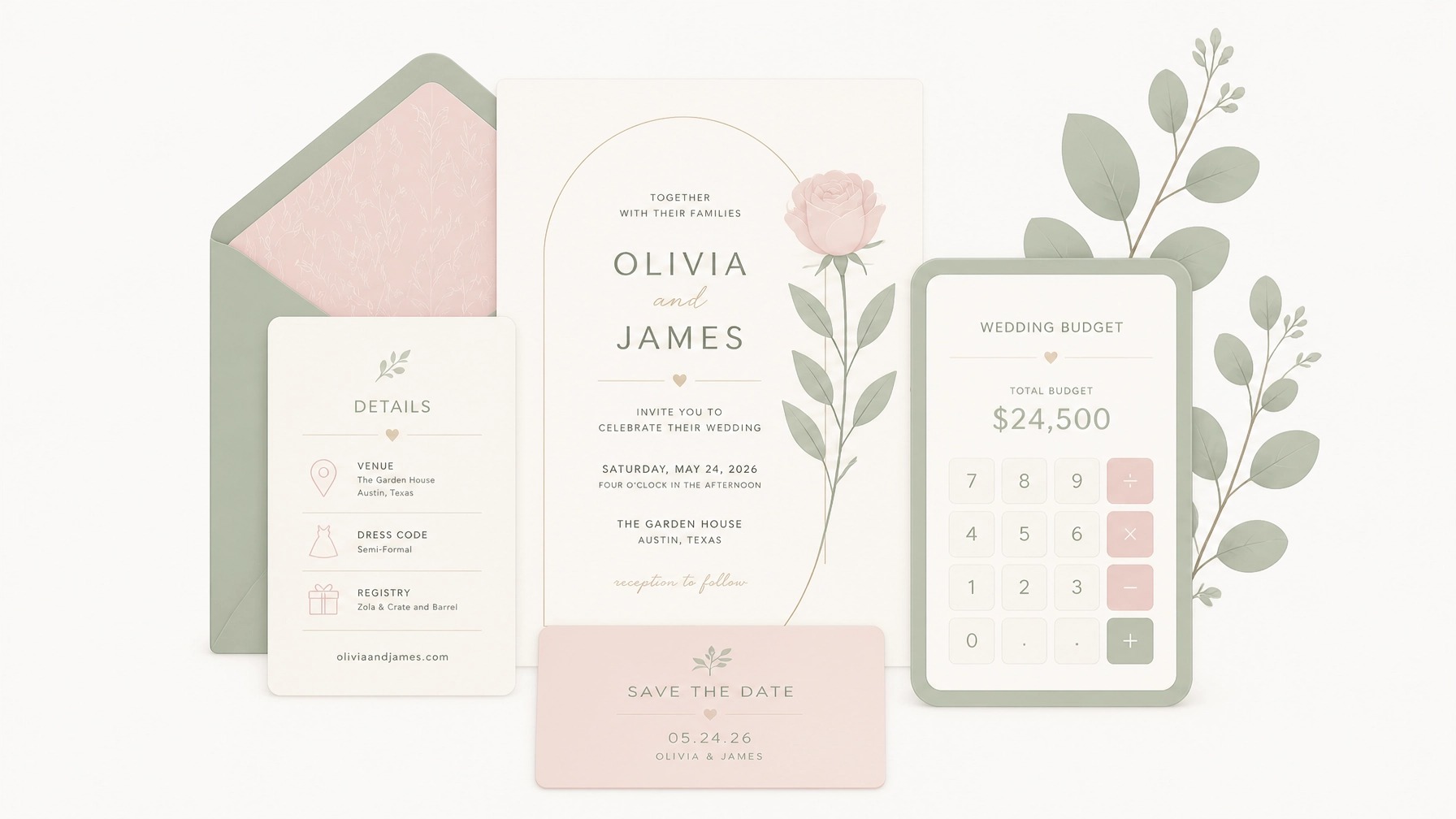
Quick Takeaways
- National Average: The average wedding cost UK figure for 2026 is £20,600.
- Average Guest Count: Most couples plan for around 80 guests.
- Wedding Cost Per Guest: The average wedding cost per guest is about £275.
- Venue & Catering: These usually account for roughly 50% of your total budget.
- Contingency is Key: Always set aside 7–10% of your budget for the "unseen" extras that inevitably pop up.
Planning a wedding is one of the most exciting projects you'll ever take on. But for most couples, it's also the first time they've had to manage a five-figure event budget. It is completely normal to feel a little overwhelmed by the numbers you see online.
Wedding costs vary enormously. There is no "correct" amount to spend on your day. Whether you are planning a small, intimate ceremony or a grand celebration, the "right" budget is simply the one that feels comfortable for your personal circumstances.
Recent data suggests that the average wedding cost UK couples pay in 2026 is £20,600. The average guest count is 80, and the average spend works out at roughly £275 per person. This depends heavily on where you get married, how many people you invite, and the specific style you're going for. This UK wedding planning guide is here to help you navigate those figures with logic and confidence.
What Does the Average UK Wedding Cost?
Most weddings fall into one of three broad categories. Understanding where your vision sits can help you set realistic expectations from the start.
- Budget Wedding — £8,000 to £15,000: Often involves DIY elements, smaller guest counts (30–50), and off-peak dates.
- Typical Average — £15,000 to £25,000: The standard UK "middle ground" with roughly 80 guests and professional suppliers.
- Premium Wedding — £25,000 to £50,000+: Larger guest lists (120+), premium venues, and additional luxuries like videography.
Run the numbers early. Knowing your total "pot" before you start booking suppliers will prevent a lot of stress later on.
Biggest Wedding Expenses
When you look at your budget as a whole, it helps to see it as a series of percentages. While every couple prioritises things differently, most UK weddings follow a similar pattern of spending.
Need a quick estimate? Use the Calcaroo Wedding Budget Calculator to instantly see how your budget splits across these categories.
Typical Budget Breakdown
Here is how most couples distribute their funds. As a rule of thumb, venue hire and catering together make up around half of the full wedding budget breakdown.
- Venue Hire — 28%
- Food & Drink — 20%
- Photography — 9%
- Attire — 9%
- Contingency Fund — 7%
- Entertainment — 6%
- Flowers & Decor — 5%
- Videography — 4%
- Rings — 4%
- Hair & Beauty — 2%
- Cake — 2%
- Transport — 2%
- Stationery — 2%
How Guest Numbers Change Everything
If there is one thing that will impact your final bill more than anything else, it is the size of your guest list. Every person you add to the list represents an increase in catering, drink, furniture hire, and even the size of the cake. That is why your wedding cost per guest matters so much.
Pop your guest numbers into a draft list and see how the total spend shifts:
- 50 Guests: Often the "sweet spot" for couples looking to keep costs under £15k. This allows for a high-quality experience without the massive overheads of a large venue.
- 80 Guests: The typical UK average. At this level, you'll likely need a dedicated wedding venue rather than a small restaurant or private room.
- 120 Guests: Costs start to climb significantly here. You'll need more staff, more tables, and often a larger floral and decor budget to fill the space.
- 150+ Guests: Large weddings often push budgets into the "Premium" bracket simply due to the volume of food and drink required.
Key Message: Reducing your guest count by just 10 people often saves more money than cutting out the florist, the cake, and the transport combined.
Regional Wedding Cost Differences
Where you choose to say "I do" has a massive impact on your venue and supplier quotes. London and the South East remain the most expensive areas, largely due to higher overheads for venues and staffing.
- London — Highest: Expect to pay around 12% above the national average.
- South East — High: Popular barn and country house venues drive prices up.
- South West — Average: Varied prices, with peaks in hotspots like the Cotswolds.
- Midlands — Average: Generally sits right on the UK average spend.
- North England — Below Average: Often offers the best "value for money" for large venues.
- Scotland — Average+: Spend per guest is high, though venue hire can vary.
- Wales — Below Average: Great options for mid-range and budget-friendly days.
- Northern Ireland — Below Average: Typically more affordable venue and catering packages.
Wedding Planning Timeline
A clear timeline makes your wedding budget planner far easier to manage. It also helps you book the big-ticket items before prices move.
- 12–18 Months Before: Set budget, build draft guest list, choose location, book venue.
- 6–12 Months Before: Photographer, entertainment, catering, wedding attire.
- 3–6 Months Before: Invitations, transport, flowers, cake.
- Final Month: Confirm guest numbers, final supplier checks, seating plan, payment schedule.
5 Ways to Save Money Without Sacrificing the Day
You don't have to cut out the things you love to stay on budget. It's often about *when* and *how* you book.
- 1.Choose Off-Peak Dates: Marrying on a Thursday or in a quieter month like November or February can shave thousands off venue hire fees. Weekday and off-season weddings are one of the simplest ways to reduce your total spend.
- 2.Reduce Guest Numbers: As we've seen, this is the most effective way to lower your total spend immediately. Cost per guest is your biggest lever.
- 3.Consider Ceremony Type Carefully: A registry office ceremony is usually far cheaper than a full venue ceremony package. Many couples save money by handling the legal ceremony simply, then putting more of the budget into the reception.
- 4.Think Beyond Traditional Venues: Restaurants, village halls, community spaces, family land and smaller boutique spaces can offer better value than dedicated wedding venues.
- 5.Consider a Micro-Wedding: A smaller guest list can free up room for better food, a longer honeymoon, or simply less financial pressure overall.
The 5 Biggest Wedding Budget Mistakes
Even the most organised couples can get caught out by hidden costs. Avoid these five common pitfalls to keep your finances on track.
- Inviting too many guests: Cost per guest is the biggest lever in almost any wedding budget calculator UK estimate. A larger guest list quickly increases catering, drinks, seating, tableware and venue size.
- Premium alcohol packages: Open bars and upgraded drinks packages can swallow a surprising part of the budget. Consider limiting options, reducing the free bar period, or offering wine, beer and a toast drink instead.
- Last-minute upgrades: The "just one more thing" pattern is expensive. Extra signage, upgraded linens, added canapés and late décor changes often pile on stress as well as cost.
- Peak summer Saturdays: The most popular dates usually come with the highest venue and supplier prices. A Friday, Sunday or winter date can often deliver the same atmosphere for less.
- Trying to please everybody: It is your day and your budget. Adding extras because you feel pressured is one of the fastest ways to overspend.
Use Our Wedding Budget Calculator
Every wedding is unique. Your priorities might be a designer dress and a small guest list, or a huge party with a simple buffet.
If you'd like a personalised estimate based on your guest numbers, location and wedding style, try our free Wedding Budget Calculator. It works as a practical wedding budget planner and gives you an honest look at the numbers so you can plan with peace of mind.
Conclusion
Understanding the costs of a UK wedding is the first step toward a stress-free planning process. By focusing on your guest count, being realistic about regional prices, and setting a clear contingency fund, you can create a day that is both beautiful and financially sensible.
The most memorable weddings are rarely the most expensive. They are the weddings that reflect the personalities and priorities of the people getting married. A clear budget simply gives couples the freedom to focus on what matters most and enjoy the journey with confidence.
Run your figures through the Wedding Budget Calculator now to build a practical plan you can actually use.
Related Weddings & Events guides
Keep learning with more from the Calcaroo library.